Curious about myofascial release?
What is fascia and myofascial release?
Fascia is the generic term for the connective tissue that protects and stabilizes every part of your body. It behaves like a whole-body web, connecting visceral and superficial organs. It is densely populated with nerve endings and very sensitive to mechanical pressure.

When you are injured, fascia builds around unstable areas of your body that need support. This is a protective mechanism that helps our bodies continue to function. Sometimes, however, these fascial structures outlive injuries and become painful restrictions that interfere with everyday life.
Fascial restrictions can also form due to repetitive body movements, muscular imbalances, and many other things. If not addressed, a painful restriction can lead to an even more painful injury when muscles and tendons stop moving the way they used to. The good news is, there is a non-invasive technique that can help restore fascia to its natural web of mobility.
Myofascial release is a form of soft tissue therapy. It uses gentle, sustained pressure to downregulate the nervous system from fight or flight. Once these protective barriers have been bypassed, it is not necessary to use intense pressure to effect change. Gentle, intentional techniques including compression, pin and stretch, vibration, and shearing relax tight muscles and allow rehydration and release of fascial tissue.
What goals can myofascial release support?
-Decreased pain: back pain, hip pain, neck pain, shoulder pain, jaw pain, migraines, and more.
-Enhanced mobility: Releasing restrictions in fascia allows for muscles to contract at full capacity. This can increase both flexibility and power.
-Improved balance and coordination: Myofascial release can enhance proprioceptive feedback (the nervous feedback that allows you to sense the position of your body in space). It does this by encouraging a shift to the parasympathetic nervous system and then introducing novel stimuli to the tissue. This brings awareness to movement patterns and encourages improved muscular symmetry.
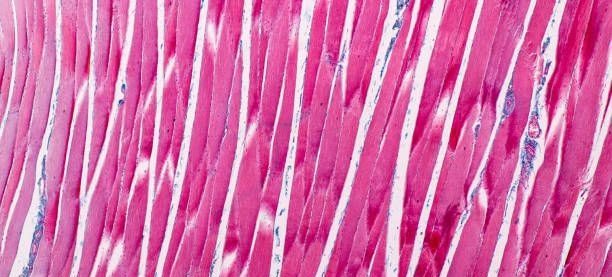
-Injury prevention and bodily maintenance: Fascial restrictions can entrap muscle fibers and prevent them from stretching, which increases your risk of injury. Staying aware of your fascia’s health and addressing restrictions before they cause injuries can help you avoid slow-onset injuries to muscles and tendons.
-Enhanced mind-body connection: Improving myofascial symmetry/balance and lowering pain and threat signals allows for improved focus and sensory awareness and an overall improved sense of wellbeing.
What should I expect at my appointment?
Expect to feel good, relax, and have control over the session. Ask any questions you like about the work being done, and share your goals for your bodywork.
Mat massage: At Fault Line Bodywork, I practice mat massage. All my work is done on the floor. I chose this set up for several reasons:
a) It is easier for the therapist to maintain control with their center of gravity close to the ground.
b) A large mat is comfortable and helps eliminate problems for large bodies.
c) I choose to work “with” my clients and not “on” my clients. Working on the same physical level reinforces this practice.
If you have never visited Fault Line before, expect 5-20 minutes of your first session to include a verbal intake discussing details from your health history and the reason for your visit. The purpose of this intake is to determine your needs and goals for your bodywork. The remainder of the appointment will consist of hands-on bodywork.
You will receive a digital consent form to fill out before your first appointment. If you book an appointment and do not receive a consent form, please reach out via text or email.
Recommended clothing is loose-fitting athletic clothes (i.e. shorts, athletic top or sports bra). Draping is available where needed.
Cancellation policy:
Please cancel at least 24h before your appointment. Cancellation less than 24h before an appointment begins will incur a 50% cancellation fee. This includes appointments booked within that 24h. If you have any concerns about this, please reach out to me and I will do my best to help. I am a one-person business. Thank you for respecting my business schedule.
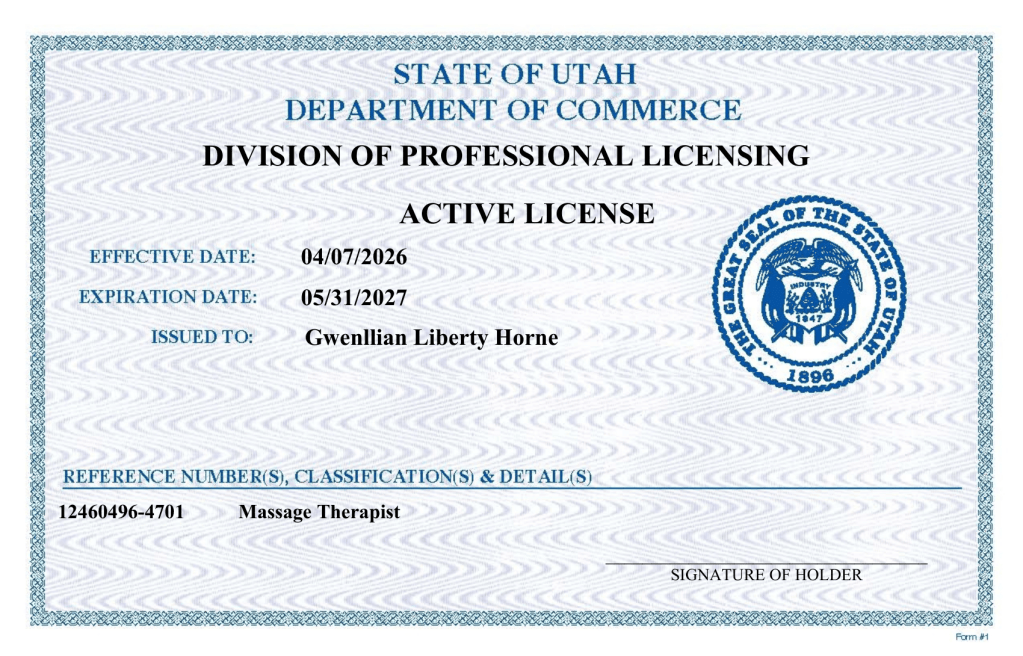
Licenses:
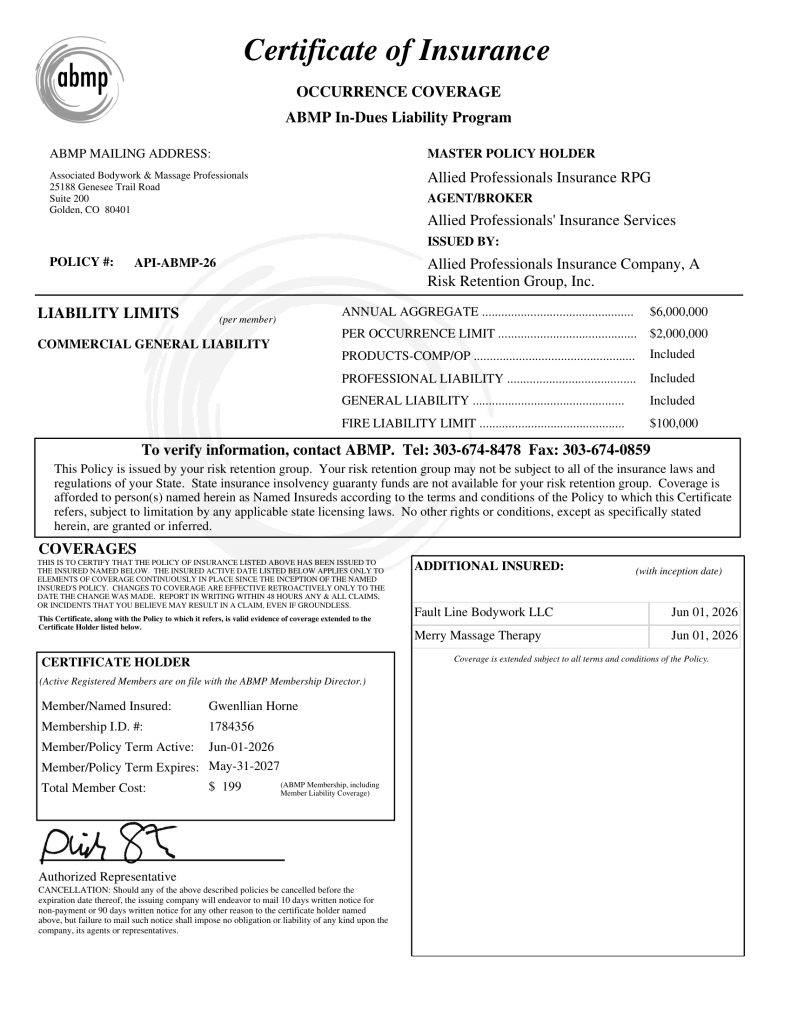
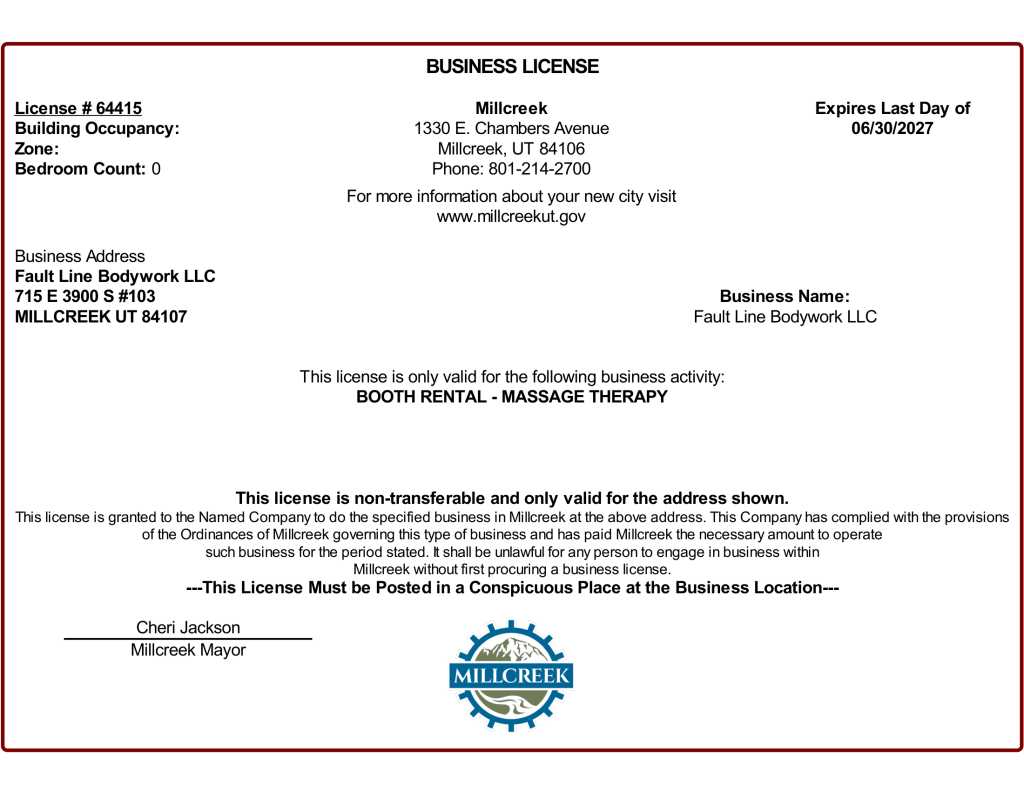
More information and site expansions coming Fall 2026.

